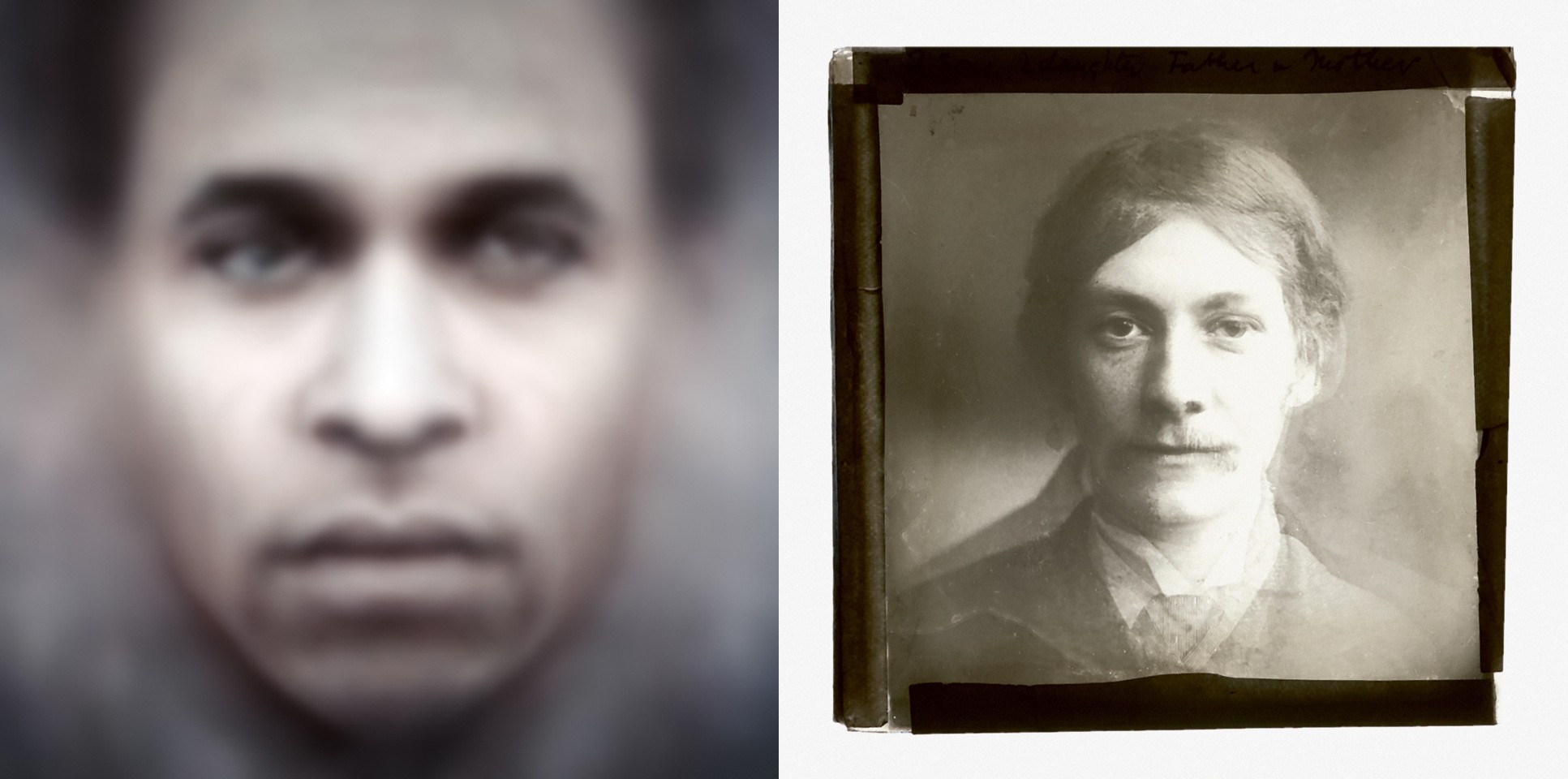
Over the last two years, outputs from advanced AI models have improved at an astonishing rate. At the
same time, the default mode for AI image generation has rightly been dismissed as "slop." Worse yet, as visual realism increases,
data realism has decreased: AI images are ever more "realistic" and useless (at least as further training data). How can we
explain the degeneration of AI image generation? The answers lie not only in technical details but also in ways of seeing
— both human and machine.
Noam M. Elcott is a professor for the history of modern art at Columbia University.
He is the author of Artificial Darkness: An Obscure History of Modern Art and Media (University of Chicago Press,
2016), as well as essays on art, media, technology, the law, and other subjects from the nineteenth century to the present,
published in leading journals, anthologies, and exhibition catalogues. He co-directed The August Sander Project (MoMA/Columbia,
2016-2021), co-edited a special issue of Grey Room on “Art Beyond Copyright” (2024), and was a principal investigator
of the Data Science Institute grant on “Art Images and AI: Latent Space Interpretability, Art History, and the Law.” His current
book projects are August Sander’s People: Photography and Identity in Weimar Germany and Art TM: A History of
Modern Art, Authenticity, and Trademarks.
The lecture will be held in English.
It is Organized by the Department
of Art Theory.